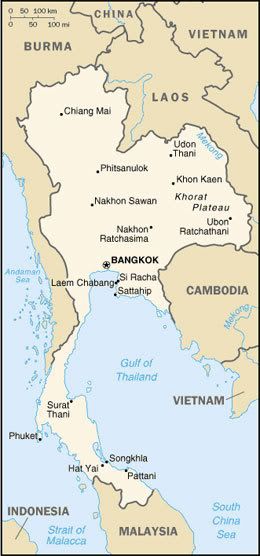
 Thailand is not a “dive your brains out, get the T-shirt and go home” kind of destination. In fact, the diving, as satisfying as it is, is only one facet of this amazing country. The best way to experience it is to allow some time for land tours once you’ve logged your dives.
A visit to a Buddhist temple will serve as an introduction to Thai culture, even for those who aren’t into architecture, history or religious icons. Guided tours are not necessary, but can be very informative. Be sure to observe local customs when inside temples. The elephant is the national symbol of Thailand. Elephants have played an important part in the country’s history, once carrying soldiers into battle to protect the kingdom.
Until the late 1980s they were vital to the logging industry, but now that the government has outlawed logging, most elephants are used in tourism. I found Phuket’s rain forest jungle to be especially exciting when viewed from atop an elephant’s back.
In addition to elephant trekking, there are several elephant parks throughout the country that offer shows and tours.
Many travelers to Thailand arrive in Bangkok, head south to Phuket, fall in love with the diving and beautiful beaches and never want to leave. Patong Beach is the place for watersports such as sea kayaking, snorkeling and parasailing, and is a top people-watching spot. Just a few blocks from the beach is a huge selection of restaurants featuring Thai and international cuisine and every manner of raucous nightlife. (Bangla Road, with more than 100 “go-go” bars, whose action spills onto the street, is not the place for those who blush easily.)
You could indeed spend an entire vacation along the peninsula, but the northern province, particularly the city of Chiang Mai, holds treasures of a different kind. Founded in the late 1200s, the city is regarded by Thai people as a national Shangri-La thanks to its historic temples, arts and crafts centers and lush landscape. A trip along the northern route reveals beautiful golf courses, an orchid and butterfly farm, waterfalls, elephant camps and numerous arts and crafts centers. Many of the souvenir items sold elsewhere in the country — pottery, silverware, decoratively painted umbrellas, lacquerware and woodcarvings — are crafted in art complexes around Chiang Mai. Fine silk garments and tailored clothes also make most visitors’ shopping lists.
When the touring and shopping is done, it’s time for a Thai massage. Dating back centuries, traditional Thai massage is a clothes-on style of massage that is reputed to be an effective cure for many ailments. The Wat Pho temple in Bangkok houses stone slabs and figures that depict various massage postures. Thai massage services can be found in every city, in most hotels and even under brightly colored umbrellas along Patong beach.
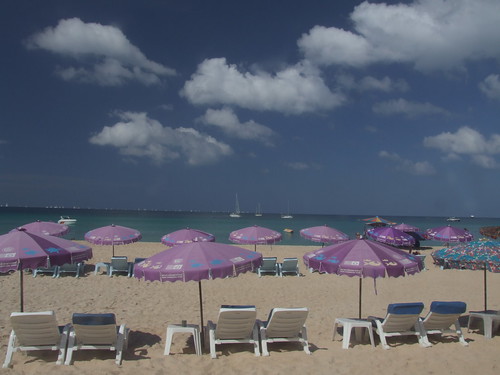

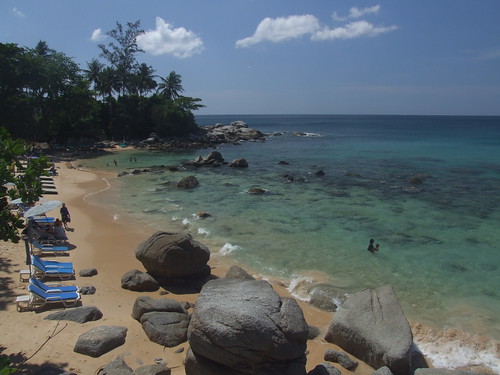
A variety of accommodations are available in every region, to suit every taste and budget. Vacationers can “go native” in a thatched roof hut or live it up in a glamorous high-rise hotel. With a favorable exchange rate, many travelers find that they can afford to upgrade to more luxurious hotels than they could otherwise afford at home.
With its vast natural beauty, rich cultural history and smiling people, Thailand’s exotic menu is a real palate- pleaser, no matter what your taste. I hope to go back for seconds.
source Reference : Dive Training Magazine
source Photo :
 h.neu's photos
 ROYAL Phuket Marina's phase 2 development was officially launched at a round breaking ceremony, late last month, attended by island's governor, Narin Kalayanmit, and the marina's owner and developer,
 The marina is double the size of any other yachting haven in Phuket, with 350 berths for yachts up to 30 metres long. It claims to be the only facility with a non tidal boat lock, deep water basin and private moorings on the doorstep of residences.